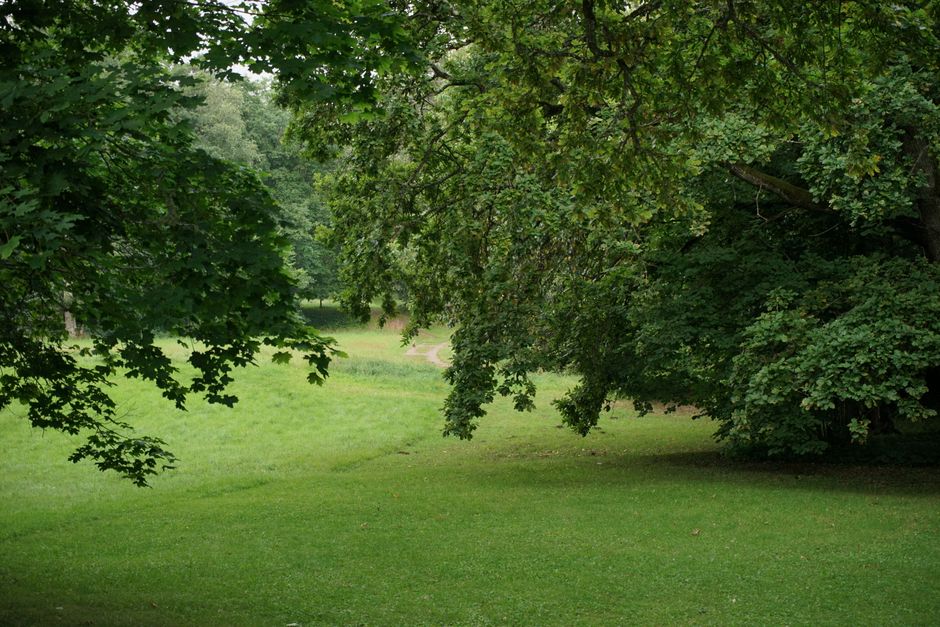
Hilly Fields Brockley garden maintenance local guide
If you live near Hilly Fields and you want your outdoor space to look cared for without spending every weekend with a mower in your hands, this guide is for you. A Hilly Fields Brockley garden maintenance local guide should do more than list basic chores. It should help you understand what local gardens actually need, how maintenance works through the seasons, and what good service looks like in a leafy South East London setting. Around Brockley, the jobs can change quickly: one week it is lawn growth after a wet spell, the next it is hedge trimming, leaf clearance, or tidying borders before everything gets away from you. Truth be told, gardens have a way of reminding you who is in charge.
In the sections below, you will find a practical breakdown of the maintenance process, the benefits of staying on top of it, common mistakes to avoid, and how to judge whether you need a one-off tidy-up or an ongoing service. You will also find useful local context, a comparison table, and a simple checklist you can use straight away. If you are weighing up professional help, it may also be useful to look at the wider garden care services available in Brockley and the specific garden maintenance service options offered locally.
Contents
- Why Hilly Fields Brockley garden maintenance local guide Matters
- How Hilly Fields Brockley garden maintenance local guide Works
- Key Benefits and Practical Advantages
- Who This Is For and When It Makes Sense
- Step-by-Step Guidance
- Expert Tips for Better Results
- Common Mistakes to Avoid
- Tools, Resources and Recommendations
- Law, Compliance, Standards, or Best Practice
- Options, Methods, or Comparison Table
- Case Study or Real-World Example
- Practical Checklist
- Conclusion
- Frequently Asked Questions
Why Hilly Fields Brockley garden maintenance local guide Matters
Hilly Fields is one of those parts of Brockley where gardens can look surprisingly different from one street to the next. Some are compact urban plots with a few beds, a lawn, and a narrow side return. Others are larger family gardens with trees, established shrubs, and the occasional stubborn patch that seems to grow faster than the rest of the garden combined. Local maintenance matters because these spaces are shaped by micro conditions: shade from mature trees, wind exposure, damp corners, clay soil in places, and the usual London mix of pollution, foot traffic, and patchy sun.
That means a generic gardening routine often falls short. A local approach takes into account the pace of seasonal growth, the amount of leaf drop, how quickly lawns recover, and whether beds need regular edging or just a firm monthly tidy. It also helps you avoid overworking the garden. A lot of people do too much at once, then leave it for weeks. The result? An uneven space that feels harder to bring back under control later.
There is also a practical reason. Well-maintained gardens are easier to use, safer to move through, and generally less expensive to rescue than neglected ones. A small amount of regular work can prevent larger jobs like heavy clearance, broken edging, compacted lawn recovery, or overgrown hedges blocking light. In a busy household, that difference can be huge.
Expert summary: In Brockley, garden maintenance works best when it is steady rather than dramatic. Regular, light care usually beats occasional big clear-outs, especially near mature planting and shaded spaces around Hilly Fields.
How Hilly Fields Brockley garden maintenance local guide Works
At its simplest, garden maintenance is the routine care that keeps a garden neat, healthy, and functional. It is not the same as a full redesign or a major landscaping project. Maintenance is about keeping things in balance: mowing, edging, pruning, weeding, clearing debris, feeding where needed, and keeping paths and borders tidy. If a garden has good bones already, maintenance preserves them. If it has drifted a little, maintenance brings it back into shape.
A local maintenance plan usually starts with a quick assessment. What is growing well? What is straggling? Is the lawn patchy, are the hedges too high, are weeds seeding into borders, or are shrubs shading everything else out? Once that is clear, the work is split into priorities. Some tasks are weekly or fortnightly, like mowing and light tidying. Others are seasonal, like hedge reductions, leaf clearance, or cutting back perennials. And then there are occasional jobs, such as stump removal, boundary recovery, or clearing a bed that has got away from you after a long wet spell.
In practical terms, a good service should feel methodical. You should not be left wondering what was done. A sensible visit usually begins with the visible work: lawn mowing, edging, trimming, and waste collection. Then come the smaller details that make the result look professional rather than merely "done": finishing edges, checking for missed weeds, and making sure paths and access points are left clean. A decent gardener will also flag issues they notice, like poor drainage, disease symptoms, or branches that need more careful attention. Not everything has to be solved on the day, but it should be noticed. That bit matters.
If you are comparing broader service types, it helps to understand the difference between maintenance, clearance, and landscaping. Maintenance keeps the garden in good order. Clearance removes overgrowth and waste. Landscaping changes the structure or layout. They overlap sometimes, but they are not the same thing.
Key Benefits and Practical Advantages
The strongest benefit of regular maintenance is simple: the garden becomes easier to enjoy. You notice it in small ways first. The lawn looks intentional instead of shaggy. The borders stop spilling over. The whole space feels calmer, even if it is only a modest back garden behind a terrace. That feeling is not trivial, either. Outdoor spaces can affect how you use a home, especially in spring and summer when every square metre starts to matter.
There are also practical and financial advantages. Keeping growth under control generally reduces the amount of corrective work needed later. For example, a hedge trimmed a little and often is usually easier to manage than one left to thicken into a woody, awkward shape. Likewise, regular mowing and edging can help prevent the lawn from becoming uneven or dominated by coarse patches. A maintained garden often supports healthier growth, because light, airflow, and access are better managed.
Another advantage is consistency. If you have guests coming, children using the garden, or you simply want the space to look presentable most weeks, routine care gives you that consistency. No frantic scramble the night before. No "I will sort it next weekend" followed by three more weekends. We have all done that, to be fair.
- Cleaner presentation: neat edges and trimmed growth make a real visual difference.
- Better plant health: dead material, weeds, and overcrowding are easier to control.
- Safer access: fewer trip hazards, slippery paths, and hidden obstructions.
- Lower long-term effort: small, regular tasks often prevent larger repairs.
- More usable space: patios, lawns, and borders feel like part of the home again.
For many Brockley households, the biggest benefit is peace of mind. You know the garden is being handled properly, and you are not constantly thinking about it in the background. That alone can be worth a lot.
Who This Is For and When It Makes Sense
This guide is useful if you live near Hilly Fields and your garden is starting to feel like a recurring to-do list rather than a place you enjoy. It is especially relevant for busy families, professionals with limited time, landlords, older homeowners who prefer regular help, and anyone preparing a home for sale or rental. It also suits people who can do some garden work themselves but want professional support for the heavier or more technical tasks.
It makes sense to book garden maintenance when:
- the lawn needs regular mowing but you cannot keep up with it;
- hedges, shrubs, or climbers are becoming untidy or too large;
- weeds are spreading faster than you can tackle them;
- leaf fall, especially in autumn, is building up on paths and beds;
- you want the garden to stay presentable throughout the year;
- you have inherited an overgrown garden and need a sensible reset;
- you are not sure what should be pruned, and what should be left alone.
It is also worth saying that not every garden needs the same level of care. A small courtyard might need frequent sweeping and light pruning. A larger garden near mature planting may need structured seasonal visits. A newly planted space needs gentler, more watchful maintenance. If you force one approach onto all of them, things usually get messy. Nature is polite, but not that polite.
Step-by-Step Guidance
If you want to manage a local garden properly, it helps to have a simple process. Not a rigid one, just a sensible rhythm. Here is a practical way to approach it.
1. Walk the garden first
Start with a slow walk around the space. Look for obvious issues: overgrown edges, weeds in paving, dead stems, patchy grass, blocked drains, low branches, and anything that looks unsafe or out of place. You do not need to inspect every leaf. Just get a feel for what is changing.
2. Split jobs into urgent, seasonal, and routine
Urgent jobs are the ones affecting safety or access. Seasonal jobs are tied to the time of year, like leaf removal or cutting back plants after flowering. Routine jobs are the ongoing stuff: mowing, weeding, sweeping, and light pruning. That separation helps you avoid treating every task as an emergency.
3. Tackle the structure first
In most gardens, it makes sense to handle the big visual elements before the details. Trim hedges, define borders, clear obstructions, and reduce the obvious bulk of overgrowth. Once the structure is in shape, the finer work feels much easier. You can actually see where you are going. Amazing, really.
4. Clean as you go
Gather debris, remove cuttings, and clear paths while you work. Leaving waste until the end sounds efficient, but it often slows you down. A tidy work area also helps you spot what still needs attention.
5. Finish with the detail work
This is where a garden starts to look properly maintained. Edge the lawn, remove small weeds from borders, straighten any displaced mulch, and check whether paths and steps are free of slippery build-up. The details are what make the difference between "a bit better" and "done properly".
6. Set the next visit before you forget
A one-off tidy can help, but maintenance works best when the next visit is planned. That way, growth never gets too far ahead of you. If you are using a professional team, ask how they recommend spacing visits across the year. Around Brockley, seasonal timing can matter a lot, especially after periods of fast growth or heavy leaf fall.
Expert Tips for Better Results
There are a few habits that make garden maintenance noticeably better, and they are not flashy. They are the unglamorous bits that save time later.
- Do less, more often. A quick regular tidy is usually better than an occasional marathon session.
- Keep an eye on edges. Neat borders make the whole garden look cared for, even when the planting is simple.
- Prune with a reason. Do not just cut for the sake of cutting. Know whether you are shaping, thinning, or reducing size.
- Leave some tasks to the right season. Many plants respond better when cut back at the correct time of year.
- Watch for hidden issues. Moss, poor drainage, compacted soil, and shade stress can all affect how the garden performs.
- Use mulching where it helps. A good mulch can reduce weeds and help moisture retention, especially in planted beds.
One practical local tip: if you live near mature trees or in a shaded garden around Hilly Fields, do not expect the lawn to behave like a sunny suburban patch. It will need a different rhythm, and sometimes different planting choices. That is not a failure; it is just the site telling you what it wants.
Also, if you are hiring someone, ask how they approach waste removal and sustainability. Good garden work should leave the site looking better, not just prettier for an afternoon. If you want a better sense of how a local company approaches materials and disposal, their recycling and sustainability approach can tell you quite a bit about their standards.
Common Mistakes to Avoid
Even well-meaning homeowners can make a garden harder to maintain than it needs to be. The common mistakes are usually very normal, by the way. Nothing dramatic. Just the sort of thing that sneaks up on people.
- Waiting too long between visits: the garden gets away from you, then everything takes longer.
- Cutting too much at once: harsh pruning can stress plants and leave the garden looking blunt.
- Ignoring weeds early: small weed seedlings are easy; mature weeds in paving or borders are a nuisance.
- Overwatering or underwatering: both can cause trouble, especially in containers and newly planted beds.
- Using the wrong tools: blunt blades and poor-quality tools damage plants and make the job harder.
- Forgetting drainage and shade: not every patch of the garden will behave the same way.
- Neglecting waste management: cuttings left lying around can make a tidy garden look unfinished quickly.
Another subtle mistake is trying to "fix everything" in one afternoon. It is tempting, especially when a garden has been ignored for a bit. But a sensible plan usually works better. Start with the visible problems, then return for the finer work. That way, you keep momentum without exhausting yourself halfway through. Sounds obvious. Still, people do it all the time.
Tools, Resources and Recommendations
You do not need a shed full of specialist kit to keep a garden under control, but the right tools do make life easier. For basic maintenance, most gardens benefit from a reliable mower, secateurs, loppers, a hand fork, a spade, a rake, gloves, and a sturdy broom or blower for paths and patios. If hedges are part of the picture, proper trimming tools matter more than most people realise. A clean cut is easier on the plant and looks better too.
If you are handling routine upkeep yourself, keep tools sharp and clean. That is one of those small jobs that feels boring right up until you use blunt secateurs and wonder why everything is tearing instead of cutting. Been there.
For bigger jobs, it can be worth using a professional service that already has the right equipment, waste handling process, and experience with local garden conditions. If you want to compare options, the local team's lawn mowing service, hedge trimming service, and garden clearance service are useful starting points depending on what your space needs most.
| Task | Good for | Best timing | Notes |
|---|---|---|---|
| Lawn mowing | Keeping the garden tidy and usable | Regularly during active growth | More frequent in spring and early summer |
| Hedge trimming | Keeping boundaries neat and controlled | After strong growth or seasonally | Needs care around birds and nesting periods |
| Border weeding | Preventing spread and keeping plants healthy | Little and often | Much easier before weeds set seed |
| Garden clearance | Recovering an overgrown or cluttered space | When growth has built up | Usually more labour-intensive |
| Tree work | Managing light, safety, and size | Only when needed | Best handled carefully and professionally |
If trees are part of your garden, do not treat them as oversized shrubs. They need a different standard of care. In some cases, you may want to look at tree lopping and removal options, especially if a tree is blocking light, affecting access, or becoming unsafe. That is not a task to improvise.
Law, Compliance, Standards, or Best Practice
Garden maintenance in the UK is not usually a highly regulated activity in the way some trades are, but there are still important standards and expectations to keep in mind. A responsible gardener should work safely, dispose of waste correctly, and avoid damaging neighbouring property, shared boundaries, or protected wildlife. If work is being carried out near access routes or communal areas, safety precautions become even more important.
One issue that deserves care is nesting birds. In practical terms, this means hedge and tree work should be planned thoughtfully, especially during the main nesting season. You do not need to panic about every branch, but you do need to avoid careless cutting when active nests may be present. Good practice is to inspect before trimming and pause if there is any sign of wildlife disturbance.
Health and safety matters too, even for simple jobs. Sharp tools, falling branches, slippery surfaces, and heavy waste can all cause injury if handled badly. A reputable provider should have basic risk awareness, appropriate insurance, and a clear approach to working safely. If that is something you want to check, review the local health and safety policy and insurance and safety information before you book.
There are also household and neighbourly considerations. Overhanging growth, boundary work, and waste placement should be handled respectfully. It is ordinary common sense, but it matters more than people think. A tidy garden should not create a problem next door. That sort of thing has a way of travelling quickly.
Options, Methods, or Comparison Table
Most people in Brockley are choosing between three broad approaches: doing the maintenance themselves, booking one-off help, or arranging recurring care. Each has its place.
| Approach | Best for | Pros | Trade-offs |
|---|---|---|---|
| DIY maintenance | Small gardens, confident gardeners, light ongoing jobs | Lower direct cost, flexible timing | Takes time, needs tools, easy to fall behind |
| One-off tidy-up | Overgrown gardens, seasonal resets, pre-event work | Fast improvement, good for problem areas | Does not prevent regrowth on its own |
| Regular maintenance plan | Busy households, landlords, anyone wanting consistency | Reliable presentation, less catch-up work | Requires ongoing commitment |
If your garden is already in decent shape, a light recurring service often makes the most sense. If it has slipped, a one-off visit followed by routine care is usually smarter than trying to start with perfection. If the layout itself no longer works, then maintenance may need to be paired with broader landscape gardening or landscaping work. Maintenance alone cannot fix a badly functioning garden, and that is okay. Different tools for different jobs.
Case Study or Real-World Example
Here is a realistic example from the sort of garden you often find near Hilly Fields. A small terraced back garden had become busy rather than unusable: a lawn had grown long and uneven, the hedge at the rear had widened out, and the borders were full of self-seeded weeds. Nothing dramatic, but enough that the owners had stopped using the space properly. They said the garden always felt "half-finished".
The first visit focused on structure. The lawn was reduced to a manageable length, the hedge was trimmed back without overcutting, the weeds were removed from the most visible parts of the border, and the path was cleared. Waste was taken away the same day. After that, the garden looked less tired immediately. But the real improvement came with a routine plan: light mowing, quick edging, and periodic hedge shaping. A few months later, the space felt normal again. Not perfect, not staged for a magazine. Just calm, useful, and easy to live with.
That is the thing people sometimes miss. Good maintenance is rarely about making a garden look "done" once. It is about creating a rhythm that keeps it comfortably usable without constant rescue work. Once that rhythm is in place, the whole garden becomes easier to live with, and easier to love. Small difference, big feeling.
Practical Checklist
Use this quick checklist if you want to judge whether your garden is due for maintenance or whether a more substantial tidy-up is needed.
- Is the lawn growing unevenly or becoming difficult to mow?
- Are hedges or shrubs blocking light, paths, or windows?
- Are weeds spreading through borders, paving, or gravel?
- Has leaf fall or debris built up in corners and along edges?
- Are there dead, damaged, or awkward branches that need attention?
- Do the beds look tired, congested, or overrun?
- Are you avoiding the garden because it feels too messy to use?
- Have you been meaning to sort it out for several weeks already?
- Would regular visits save you time and stress overall?
If you can say yes to several of those, the garden probably needs a structured maintenance plan rather than another "I'll do it at the weekend" promise. We all know how that story goes.
Quick takeaway: the best Hilly Fields Brockley garden maintenance approach is usually light, regular, and seasonal. Keep the garden in rhythm, handle the obvious growth before it becomes a chore, and use professional help where it saves time or reduces risk.
For a clearer idea of costs, service scope, and what to expect from a quote, you can review the local pricing and quotes information before making a decision.
Get a free quote today and see how much you can save.
Conclusion
A well-kept garden near Hilly Fields does not happen by accident. It usually comes from a sensible routine, a bit of local knowledge, and enough attention to stop small problems turning into bigger ones. That is really the heart of this Hilly Fields Brockley garden maintenance local guide: keep it practical, keep it regular, and match the work to the space instead of forcing a one-size-fits-all routine.
Whether you need light seasonal upkeep, help with a one-off reset, or a longer-term maintenance plan, the goal is the same. You want a garden that feels easy to step into, not one that asks for an apology every time you open the back door. And honestly, that is very achievable with the right approach.
If you are ready to tidy, restore, or simply keep your outdoor space in better shape, start with the next sensible job and build from there. Gardens rarely transform in one go. They improve in small, steady steps. That is the lovely bit, really.
Frequently Asked Questions
What does garden maintenance usually include in Brockley?
Garden maintenance usually includes mowing, edging, weeding, pruning, hedge trimming, clearing debris, and keeping paths or patios tidy. Some visits also include light plant care, basic seasonal tidying, and waste removal. The exact mix depends on the garden and the time of year.
How often should a garden near Hilly Fields be maintained?
It depends on the size of the garden, how quickly it grows, and how much shade or leaf fall it gets. During active growing periods, many gardens benefit from regular visits, while smaller or slower-growing spaces may need less frequent care. A sensible schedule is better than waiting until everything is overgrown.
Is garden maintenance different from landscaping?
Yes. Maintenance keeps an existing garden in good order. Landscaping changes the layout, structure, or features of the garden. If your space needs hedges cut, weeds removed, and the lawn managed, that is maintenance. If you want a new design, new surfaces, or a major rework, that leans more toward landscaping.
Can I handle garden maintenance myself?
Absolutely, especially if the garden is small and the jobs are straightforward. Many people handle mowing, light weeding, and sweeping themselves. The challenge is keeping up with it consistently, and knowing when a bigger job needs more experience or better equipment.
What are the most common problems in local gardens around Brockley?
Common problems include fast summer growth, shady patches, leaf build-up, hedges getting too wide, and weeds in borders or paving. Some gardens also struggle with drainage or compacted soil. Local conditions can be a bit mixed, so the same routine does not always work everywhere.
Do I need regular hedge trimming?
If your hedge is an important boundary or takes up a visible part of the garden, regular trimming usually helps keep it neat and manageable. Leaving it too long often makes the next cut more difficult. That said, some hedges should only be cut at certain times, so timing matters.
What should I ask before booking a gardener?
Ask what is included, how waste will be handled, whether they bring their own tools, and how they manage safety. It is also sensible to ask whether they recommend a one-off tidy-up or recurring visits. A good provider will explain the difference clearly.
How do I know if my garden needs clearance rather than maintenance?
If the space is heavily overgrown, cluttered, or difficult to access, it probably needs clearance first. Maintenance is for keeping things in shape once the garden is already under control. In practice, many gardens need a clearance phase before ongoing care can really work.
What happens to the garden waste?
That depends on the service arrangement. Some gardeners remove and dispose of waste as part of the visit, while others may leave it for the homeowner to handle. If waste removal matters to you, confirm it before the job starts. It saves awkwardness later.
Are there any safety issues with garden maintenance?
Yes. Tools can be sharp, branches can fall, paths can be slippery, and heavy waste can strain backs and shoulders. That is why safe work practices matter, especially for larger jobs. If you are hiring help, it is sensible to check that the provider works safely and is properly insured.
Should I avoid pruning during nesting season?
Care is needed during nesting season, especially with hedges and trees. The safest approach is to check for signs of active nesting before cutting and to stop work if birds are present. This is one of those areas where patience is genuinely the better choice.
How can I keep maintenance costs sensible?
The best way is to stay ahead of growth. Regular, lighter visits usually cost less in effort and time than letting the garden become badly overgrown. It also helps to prioritise the jobs that matter most, rather than trying to solve every issue in one go.