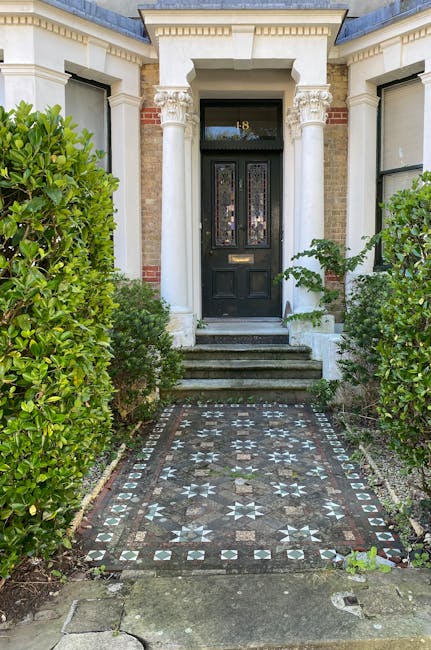
Crofton Park garden services for period properties SE4
If you own a Victorian terrace, an Edwardian semi, or one of the older homes tucked around Crofton Park, you already know the garden is never just "the bit at the back". It is part of the house's character. And if it is neglected, overworked, or treated like a modern new-build plot, the whole property can feel slightly off. That is where Crofton Park garden services for period properties SE4 become genuinely useful: the right approach protects character, improves day-to-day use, and keeps the garden looking like it belongs with the house.
In this guide, we will look at what specialist garden care means in a period-property setting, how the process usually works, what to ask for, what to avoid, and how to judge whether a service is the right fit. There is a bit of art to it, truth be told. Not every tidy garden is a good garden, especially when older brickwork, mature planting, narrow side returns, and patchy shade are all part of the picture.
For a broader view of what is available, you can also explore the full services overview and learn more about the business background on the about us page. If you are already thinking ahead to quotes, the pricing and quotes page is the sensible next stop.
Table of Contents
- Why Crofton Park garden services for period properties SE4 Matters
- How Crofton Park garden services for period properties SE4 Works
- Key Benefits and Practical Advantages
- Who This Is For and When It Makes Sense
- Step-by-Step Guidance
- Expert Tips for Better Results
- Common Mistakes to Avoid
- Tools, Resources and Recommendations
- Law, Compliance, Standards, or Best Practice
- Options, Methods, or Comparison Table
- Case Study or Real-World Example
- Practical Checklist
- Conclusion
- Frequently Asked Questions
Why Crofton Park garden services for period properties SE4 Matters
Period homes need a different kind of garden care because they were built with different proportions, materials, and lifestyles in mind. Older gardens often have compact layouts, long boundaries, established trees, awkward levels, or shaded corners created by adjoining extensions and mature planting. A generic tidy-up can make those spaces look flat and slightly soulless. Worse, it can damage things that are hard to replace: mature shrubs, old paving, hedge lines, and the balance between house and garden.
In Crofton Park, the effect is often amplified by the local streetscape. Front gardens, side passages, and rear gardens tend to sit close together, which makes privacy, boundary respect, and tidy presentation feel especially important. If the garden is visible from the house, the kitchen, or a rear reception room, even a small improvement can change how the whole property feels in the morning light. You notice it straight away.
There is also the question of maintenance rhythm. Period gardens can become either overmanaged or undermanaged. One extreme strips out all texture and charm. The other allows self-seeding, root competition, and neglect to take over. Good garden services keep the middle ground: healthy, ordered, and characterful.
Expert summary: the best period-property garden work does not fight the age of the house. It supports it, protects it, and makes the garden feel like a natural extension of the home rather than an afterthought.
If you care about responsible upkeep as well as appearance, it is worth reading the company's recycling and sustainability guidance. That matters more than people think, especially when regular maintenance generates green waste, old pots, cuttings, and seasonal debris.
How Crofton Park garden services for period properties SE4 Works
Good service starts with observation. Not "how do we make this look neat in an hour?", but "what is the garden trying to do, and what does the property need from it?" That sounds a bit lofty, maybe, but it is actually practical. A period garden may need restraint, better access, refreshed soil, careful pruning, and a maintenance plan rather than one-off muscle.
The work usually begins with a walkthrough. A gardener will look at access routes, existing planting, the condition of paving or edging, drainage patterns, light levels, and any obviously stressed plants. Older gardens often hide small problems in plain sight: ivy creeping into joints, roots lifting paths, overcrowded borders, or a hedge that looks fine from a distance but is hollow inside. The point is to spot these things early.
After that, the service is usually shaped around priorities. Some homeowners need a one-time restoration. Others need regular visits to keep things stable. And some want a phased plan, which is often the smartest route if the garden has been neglected for a while. To be fair, not everyone wants to spend a weekend elbow-deep in brambles. Fair enough.
A professional approach will usually include:
- seasonal pruning and shaping
- weed control and border clearance
- lawn care or lawn recovery
- hedge trimming and boundary maintenance
- planting advice suited to shade, soil, and age of the garden
- green waste removal and tidy finish
- optional longer-term maintenance planning
For readers comparing what kind of support is available, the services overview is useful because it helps separate one-off jobs from ongoing maintenance and specialist work.
Key Benefits and Practical Advantages
The value of specialist garden services for period properties is not just visual. It is structural, practical, and emotional, which sounds grand but is true. A well-managed garden reduces stress, protects surfaces, improves useable space, and helps older homes feel cared for rather than tired.
1. The garden feels like part of the house again
Older properties tend to look best when inside and outside are in conversation with each other. A garden that is too modern, too busy, or too bare can break that link. Careful maintenance restores proportion. It helps the back door view feel calm, and that matters more than people sometimes admit.
2. Mature planting is kept, not flattened
One of the biggest mistakes in period gardens is overcutting. Mature shrubs, climbers, and small trees often need selective pruning, not harsh reduction. Skilled care keeps structure without stripping away personality.
3. Problems are caught earlier
A trained eye sees more than weeds. It sees water pooling in one corner after rain, a hedge beginning to fail, a fence line under strain, or a climber that has begun to trap moisture against brick. Small interventions now often prevent bigger repairs later.
4. The garden is easier to live with
Let's face it, most people do not need a show garden. They need a space that looks good on a Tuesday, not just after a full-day makeover. Better maintenance means the garden can be enjoyed without constantly feeling like a project.
5. It supports resale and day-to-day appeal
Even if you are not planning to move, older homes benefit from a garden that looks aligned with the property. Buyers notice first impressions quickly, especially in areas like SE4 where period character carries real weight.
| Need | What a general tidy-up does | What period-property garden services do better |
|---|---|---|
| Appearance | Quickly cuts back visible growth | Balances neatness with character and structure |
| Plant health | May remove too much or miss problems | Uses selective pruning and observation |
| Long-term care | Often one-off only | Supports a seasonal or ongoing plan |
| Older materials | Can be treated carelessly | Respects paving, borders, brickwork, and access |
Who This Is For and When It Makes Sense
This kind of service is a strong fit for homeowners who value the character of their property and want the garden to match it. If your home has original features, mature frontage, or a garden layout that has been altered over time, you will probably benefit from specialist care sooner rather than later.
It makes particular sense if:
- your garden has become overgrown but you want to preserve established plants
- you have just moved into a period property and need a reset without damage
- the garden has awkward shade, root competition, or limited space
- you are preparing for guests, a sale, or a long overdue renovation
- you want a maintenance plan rather than repeated emergency clearances
A realistic example: a rear garden behind a Victorian terrace may look small on paper but feel much larger once the boundary shrubs are thinned, the path edges are cleaned, and the planting is rebalanced. Suddenly the space breathes. That is the kind of change that is hard to explain until you see it.
If you are unsure whether your property needs a one-off visit or ongoing care, the best next step is usually a direct discussion. The contact us page is the simplest route for questions, and if you want to understand payment handling before you commit, take a look at payment and security as well.
Step-by-Step Guidance
If you are approaching garden care for a period property for the first time, a clear sequence helps. This is less about "garden theory" and more about avoiding expensive detours.
- Walk the garden properly. Notice where water sits, where weeds keep returning, which plants are thriving, and which areas feel cramped or bare.
- Identify what must stay. Mature planting, old paving, boundary trees, and heritage-feeling features should be protected before any heavy work starts.
- Decide the priority. Is the goal a tidy-up, restoration, ongoing maintenance, or redesign? Do not try to do everything at once.
- Choose the right level of intervention. Selective pruning and gradual improvements are often better than a hard reset for older gardens.
- Remove waste responsibly. Green waste, cuttings, and spoil need proper handling. Keeping the site clean matters as much as the planting itself.
- Review the aftercare. A garden often looks good immediately after a visit, but the real question is: how will it look in six weeks?
In practice, the first visit is often the most revealing. A patch that seemed "just a bit messy" can turn out to be a drainage issue, a sun-and-shade problem, or a maintenance gap that has been building for months. That is normal. Gardens do that. They keep secrets.
Expert Tips for Better Results
Older gardens respond best to careful, repeated improvements rather than dramatic interventions. If you want the results to last, a few habits make a real difference.
Work with the site, not against it
Shadow from neighbouring houses, mature trees, and boundary walls all shape what will thrive. A plant that fails in one spot may flourish two metres away. Small moves can make a big difference.
Protect structure before chasing softness
It is tempting to focus on flowers first. But in period gardens, structure matters more: paths, hedges, boundaries, and key plants create the frame. Once that is sound, the rest has room to work.
Keep pruning deliberate
Selective pruning generally preserves character better than blunt cutting. You will notice the difference in spring and early summer when new growth comes through cleanly rather than all at once.
Make seasonality do the work
In London gardens, timing matters. Late winter, early spring, and the softer months around autumn are often best for planning and renewal. Mid-summer is often about control, not reinvention.
Ask for a maintenance rhythm
Some gardens need monthly visits, others need seasonal work plus ad hoc support. A good provider should be able to talk you through what suits the site rather than pushing a one-size-fits-all plan.
If sustainability matters to you, ask how waste is handled and whether cuttings are sorted sensibly. The company's recycling and sustainability approach is worth checking because garden care should not create unnecessary waste. Simple point, but an important one.
Common Mistakes to Avoid
Period gardens are easy to damage through enthusiasm. That may sound dramatic, but it is true. Some mistakes are surprisingly common.
- Cutting back too hard. A severe trim can remove natural shape and leave mature shrubs looking blunt for months.
- Ignoring the soil. If the soil is compacted, dry, or depleted, planting changes will struggle to hold.
- Replacing character with uniformity. Not every border needs to look crisp and symmetrical. In older gardens, a little looseness can be part of the charm.
- Forgetting access routes. Narrow side returns and shared paths need thoughtful handling, not rushed movement with tools and waste bags.
- Assuming one visit is enough. Some gardens need a reset, yes, but the real benefit comes from follow-through.
- Using plants that fight the site. Full-sun plants in shade, or thirsty plants in dry root competition, become a headache fast.
One mildly annoying truth: if a garden has been neglected for years, it may look worse before it looks better. That is not a failure. It is just the middle of the process.
Tools, Resources and Recommendations
You do not need a shed full of gadgets to manage a period-property garden well. In fact, fewer tools used well is often better than more tools used badly. Sensible equipment and practical scheduling matter most.
Useful tools and materials
- sharp secateurs for clean pruning cuts
- loppers for thicker stems without tearing
- hedge trimmers for tidy shaping, used carefully
- spades and forks for soil improvement and planting
- mulch to protect soil and suppress weeds
- compost or soil improver where beds are tired
Useful working habits
- take before-and-after photos so changes are easier to judge
- keep a rough seasonal plan for pruning and feeding
- note which areas dry out first after rain
- leave room for access and safe movement around the house
A small recommendation that is often overlooked: keep a simple written list of what you want preserved. It sounds basic, almost comically basic, but it saves a lot of confusion when a garden has many layers of planting and several people have opinions about it.
For practical next steps, the pricing and quotes page can help you understand how the job is approached commercially, and the about us page gives more context about who is behind the service.
Law, Compliance, Standards, or Best Practice
With garden services, most homeowners are not dealing with heavy legal complexity, but there are still sensible standards and duties to think about. A good provider should work safely, manage waste properly, and avoid unnecessary damage to property or neighbouring boundaries. That is standard professional practice, really.
In a period-property setting, best practice usually includes careful handling of access, awareness of trip hazards, tidy removal of waste, and attention to fragile surfaces or older masonry. If your garden includes mature trees, walls, or shared boundaries, extra caution is sensible. Older properties can hide loose paving, unstable edging, and other small risks that are easy to miss until the wrong foot lands in the wrong place.
It is also reasonable to ask about insurance, safety processes, and complaint handling before work starts. Not because you expect a problem, but because professional service should be transparent. You can review the company's insurance and safety information and, if you want to understand standards around service issues, the complaints procedure is there as well.
The broader point is simple: careful garden maintenance should leave the site safer, neater, and easier to manage. If that is not happening, something is off.
Options, Methods, or Comparison Table
There is more than one way to handle a period garden. The right choice depends on how established the space is, how much time you have, and whether you want cosmetic improvement or a deeper reset.
| Approach | Best for | Pros | Watch-outs |
|---|---|---|---|
| One-off tidy-up | Quick presentation fixes | Fast, visible improvement | May not solve underlying issues |
| Restoration visit | Overgrown or neglected gardens | Creates structure and breathing room | Can take more time and planning |
| Seasonal maintenance | Established period homes | Keeps the garden stable and healthy | Needs regular commitment |
| Phased improvement plan | Complex gardens with layered problems | Spreads work and cost over time | Requires patience and clear priorities |
If you are undecided, phased improvement is often the most realistic answer. It avoids the "rip everything out" mistake and lets you see how the garden responds. A bit slower, yes. But often better.
Case Study or Real-World Example
Here is a typical scenario from a Crofton Park-style period home. A rear garden behind an older terrace had become heavy and closed in. The borders were crowded, the path edges had disappeared under weeds, and a couple of shrubs had grown so large they blocked the kitchen view. Nothing was dead, which is the interesting part. It simply needed judgement.
The first step was not a full clearance. It was careful reduction. Overgrown stems were removed selectively, the border shape was brought back, and a few tired plants were lifted out to make space. The path was cleaned, the access line reopened, and the remaining plants were given room to breathe. By late afternoon the garden looked calmer, not stripped. That is usually the sweet spot.
The homeowner's reaction was a common one: "I can see the shape of the garden again." Exactly. Not a magazine transformation. Just a garden that made sense.
That kind of result is a strong reminder that the best period-property work is often about revealing what is already there, not forcing a new identity onto it. A bit of restraint goes a long way.
Practical Checklist
Use this checklist before booking work or starting a project. It keeps the conversation clear and saves time later.
- Have you identified the main goal: tidy-up, restoration, or ongoing care?
- Do you know which plants, trees, or features must be preserved?
- Are there any access issues, narrow passages, or shared boundaries?
- Do you want the garden to look neat, natural, formal, or a mix?
- Have you noted any drainage problems, shade issues, or damaged paving?
- Do you need waste removed and the site left fully clear?
- Would seasonal maintenance be more practical than one-off visits?
- Have you checked safety, insurance, and service expectations?
- Are you comfortable with the quote and payment process?
- Have you thought about sustainability and waste handling?
And one more, because it matters: do you want the garden to look good for next week, or to work better for the next year? That question changes the whole brief.
Get a free quote today and see how much you can save.
Conclusion
Period-property gardens in Crofton Park deserve more than a quick tidy. They need care that respects age, scale, materials, and the way older homes naturally sit within their plots. The right garden service will not just cut things back. It will help the space make sense again, while keeping the character that gives the property its charm.
Whether you are dealing with an overgrown border, a tired lawn, or a garden that has simply drifted out of balance, the best results usually come from a measured, informed approach. Start small if needed. Ask good questions. Keep the structure. Preserve what works. That is often the difference between a garden that feels managed and one that feels alive.
If you are ready to take the next step, speak to a local team that understands older homes, practical maintenance, and the realities of SE4 gardens. A well-handled outdoor space can change how a house feels every day, and that is no small thing. Sometimes the garden is the bit that makes the whole place exhale.
Frequently Asked Questions
What makes garden services for period properties different from standard garden maintenance?
Period-property garden services focus on preserving character, not just making the space look tidy. That means careful pruning, respect for mature planting, and attention to older materials like paving, edging, and brickwork. The goal is balance, not a harsh reset.
How do I know if my Crofton Park garden needs restoration or regular maintenance?
If the garden is heavily overgrown, has lost structure, or contains plants you want to save, restoration is usually the better start. If it is already in decent shape but needs steady care, regular maintenance is often enough. A quick site assessment usually makes the answer obvious.
Will a gardener remove plants that are important to the look of my period home?
A good gardener should not do that without discussing it first. In fact, preserving useful structure is one of the main reasons to use a service that understands older properties. If a plant is doing architectural work, it should be treated as part of the design.
Can garden services help with very small rear gardens and side returns?
Yes, and small spaces often benefit the most. Compact gardens can become cluttered very quickly, especially when shade and boundary pressure are involved. A tidy side return or a more open rear view can make the whole property feel brighter.
How often should a period garden in SE4 be maintained?
That depends on growth rate, plant choice, and how formal you want it to look. Some gardens only need seasonal visits, while others need monthly or bi-monthly support through the growing season. A local service should be able to recommend a realistic rhythm.
What should I ask before booking Crofton Park garden services for period properties SE4?
Ask what will be preserved, how waste will be handled, whether the work is one-off or ongoing, and how the quote is structured. It is also wise to ask about safety and insurance. Clear answers now prevent awkwardness later.
Do I need to worry about access and narrow passages in older properties?
Yes. Access matters a lot in period homes, especially if the garden is reached through a side return or narrow path. Good planning avoids damage to walls, gates, paving, and anything fragile along the way.
Is sustainability important in garden maintenance?
It should be. Green waste, plant cuttings, and replaced materials all add up over time. Responsible recycling and a sensible approach to waste show that the service is thinking beyond the immediate tidy-up.
What if my garden has been neglected for years?
That is more common than people admit. The best approach is usually phased, with the first visit focused on clearing, reshaping, and identifying what can be saved. There is no need to do everything in one go unless you want to.
Can garden services improve the view from inside the house as well as the garden itself?
Absolutely. In older homes, the view from the kitchen, dining room, or rear reception can make a huge difference to how the property feels. A better sightline, healthier planting, and more daylight can change the mood indoors as much as outdoors.
How do I compare quotes fairly for garden work on a period property?
Compare what is actually included, not just the total price. Check whether waste removal, pruning detail, follow-up visits, and site protection are part of the job. The cheapest option is not always the best value if it leaves you with extra work.
Where should I start if I want to get this moving soon?
Start with a clear brief, a few photos, and a conversation about your priorities. If you want to understand the wider service scope first, look at the services overview, then use the contact page when you are ready to talk through the details. Small step, but the right one.